Home Mission Launches Careers Updates About Contact Us Login / Register Starlink
"You want to wake up in the morning and think the future is going to be great — and that's what being a spacefaring civilization is all about. It's about believing in the future and thinking that the future will be better than the past. And I can't think of anything more exciting than going out there and being among the stars." — Elon Musk
Starship

Making Humanity
Multiplanetary

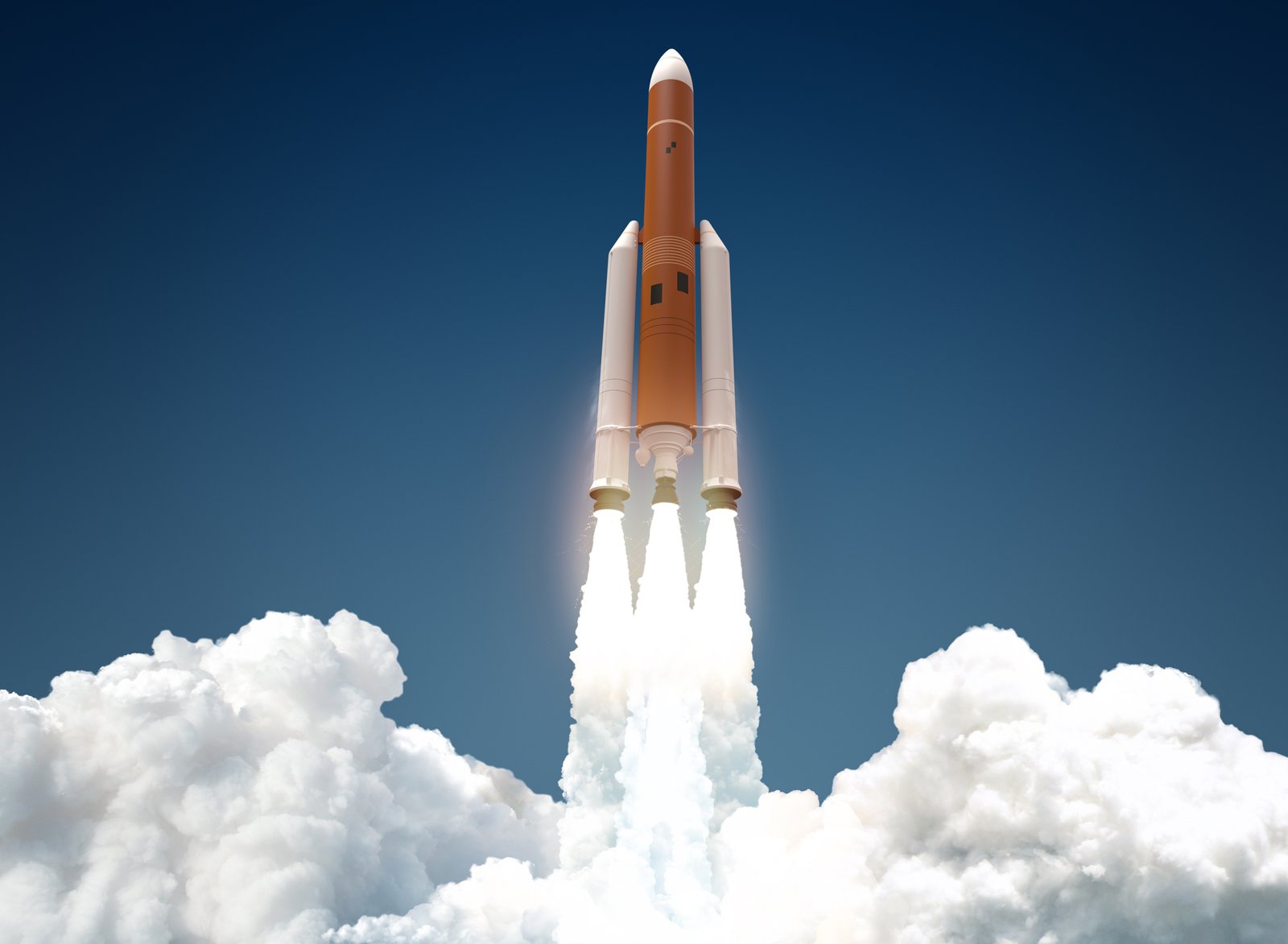
Building on the achievements of Falcon 9 and Falcon Heavy, SpaceLync is working on a next generation of fully reusable launch vehicles that will be the most powerful ever built, capable of carrying humans to Mars and other destinations in the solar system.

Learn More About Starship

Reusability

SpaceLync believes a fully and rapidly reusable rocket is the pivotal breakthrough needed to substantially reduce the cost of space access. The majority of the launch cost comes from building the rocket, which historically has flown only once.

Compare that to a commercial airliner — each new plane costs about the same as Falcon 9 but can fly multiple times per day and conduct tens of thousands of flights over its lifetime. Following the commercial model, a rapidly reusable space launch vehicle could reduce the cost of traveling to space by a hundredfold.

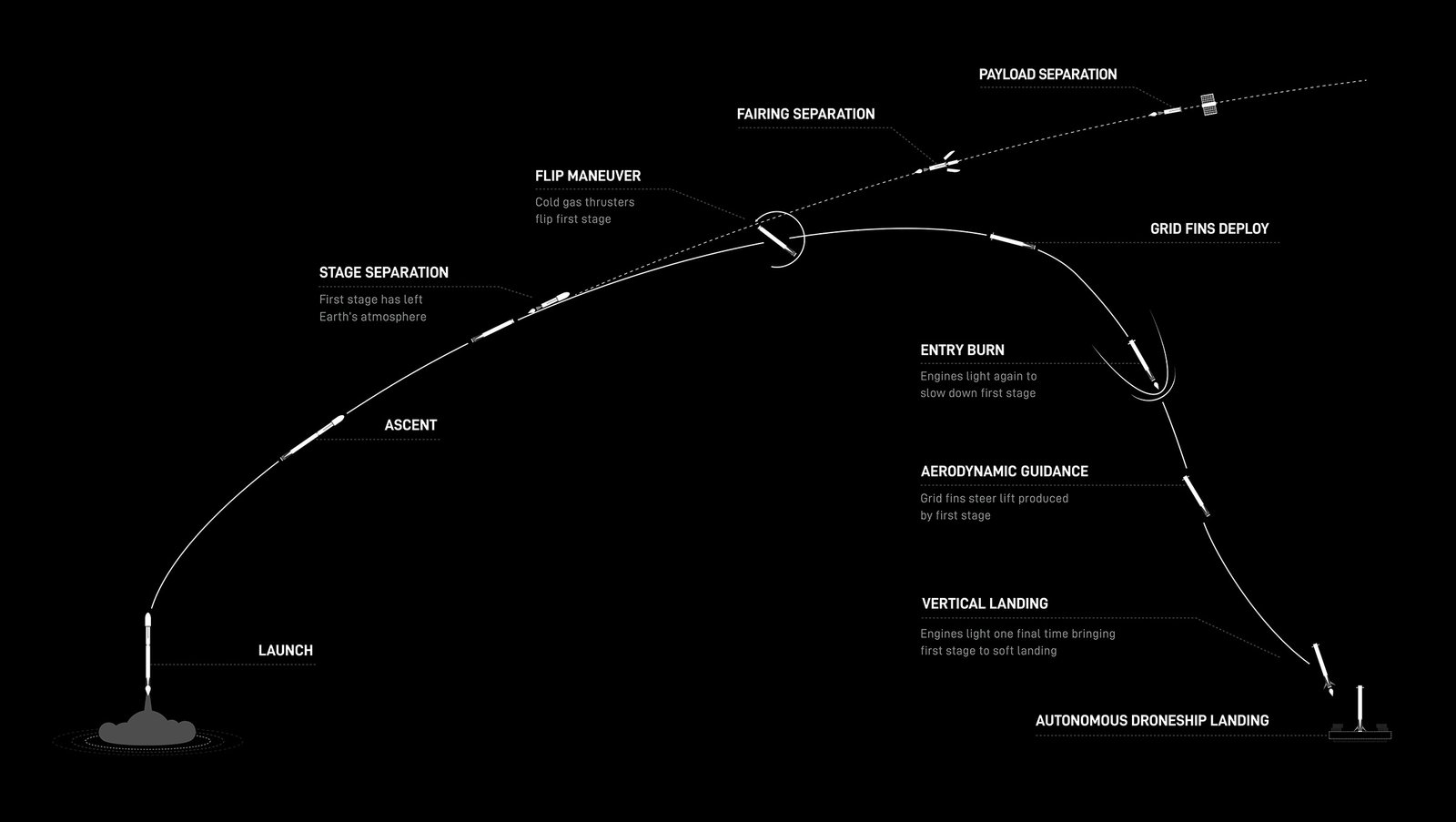
While most rockets are designed to burn up on reentry, SpaceLync rockets can not only withstand reentry but can also successfully land back on Earth and refly again.
Landing

SpaceLync's family of Falcon launch vehicles are the first and only orbital class rockets capable of reflight. Depending on the performance required for the mission, Falcon lands on one of our autonomous spaceport droneships out on the ocean or one of our landing zones near our launch pads.

Droneship Landing Zone
Rocket landing

Infrastructure

SpaceLync Facilities

Build Facility

India

Build Facility

SpaceLync designs and builds its reusable rockets and spacecraft at its headquarters, one of the few facilities in the world where you can see an entire launch vehicle or spacecraft come together under one roof.

Testing Facility

India

Testing Facility

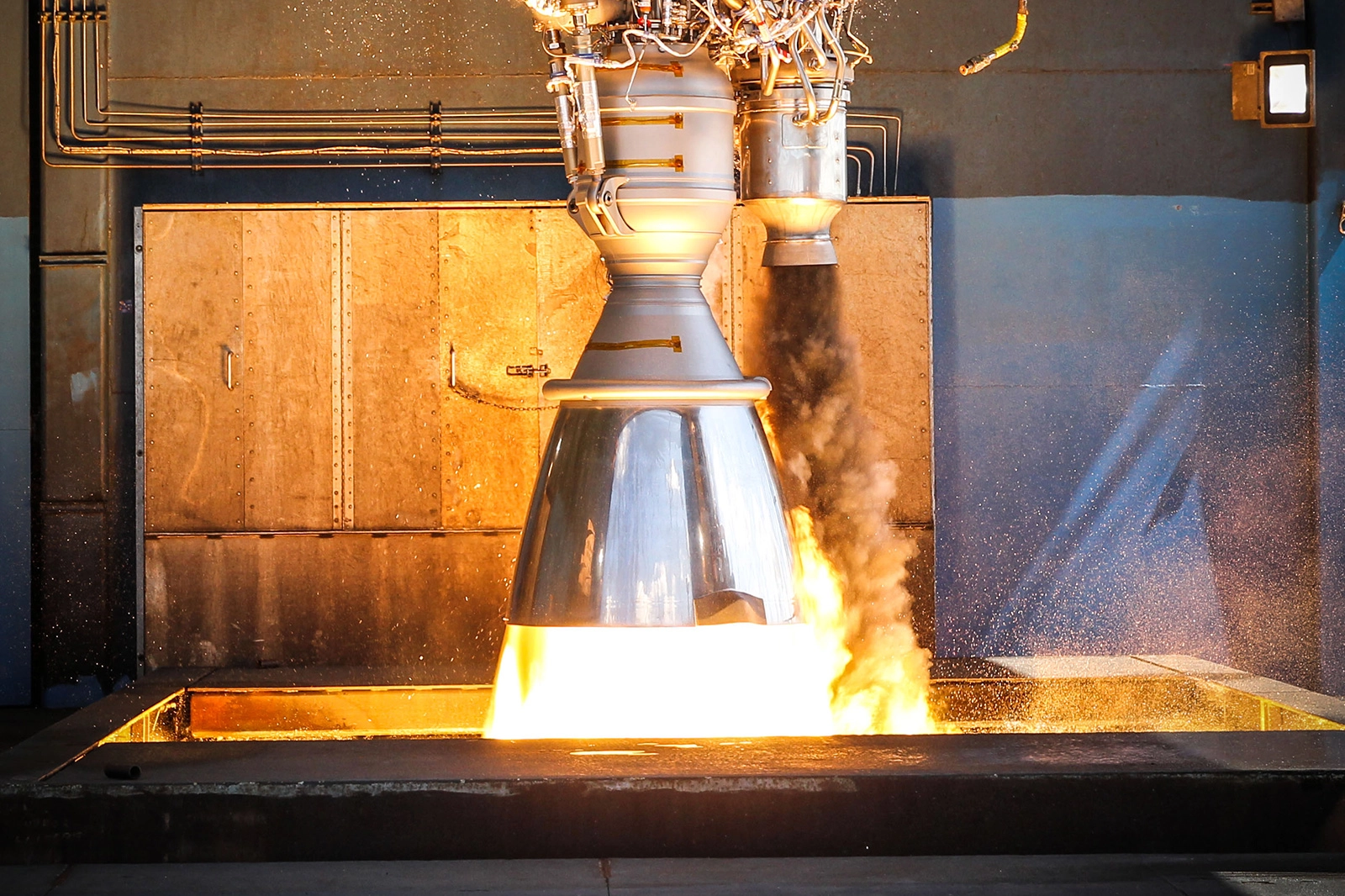
SpaceLync tests its engines, vehicle structures, and systems at a state-of-the-art rocket development facility outfitted with specialized test stands.

Cape Canaveral

USA

Cape Canaveral Space Force Station, SLC-40

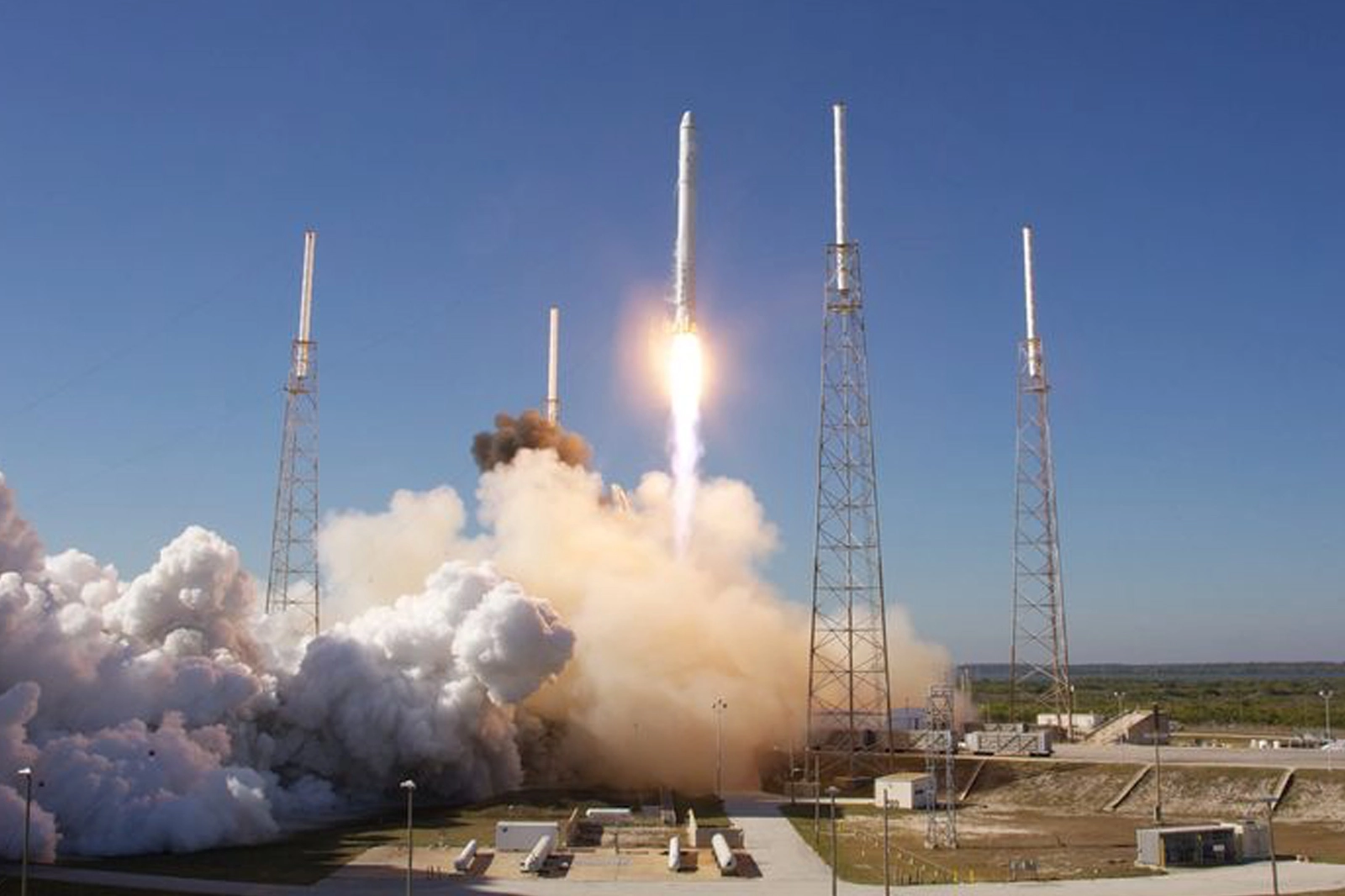
The site provides access to a wide range of low and medium inclination orbits frequently used by communications and Earth-observing satellites, and allows access to geostationary orbits and departures to the Moon and interplanetary destinations.

Kennedy Space Center

USA

Kennedy Space Center, Launch Complex 39A

SpaceLync is honored to launch from Kennedy Space Center's historic Launch Complex 39A, home of the Apollo and Space Shuttle programs. LC-39A supports crew launches of the Dragon spacecraft.

Vandenberg

USA

Vandenberg Air Force Base, SLC-4E

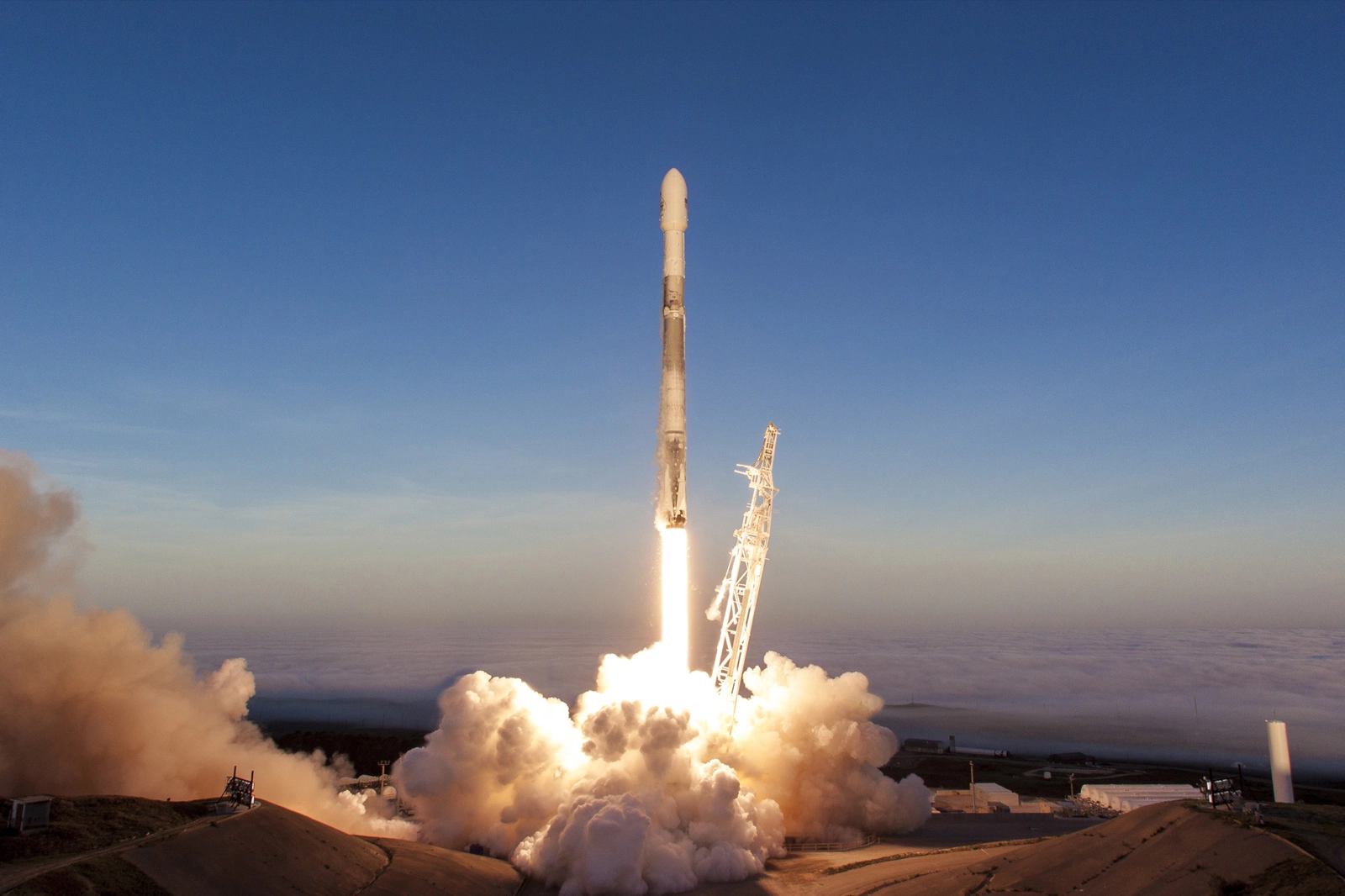
Provides customers with access to high inclination and polar orbits, frequently used by satellite communication constellations, defense intelligence, and Earth-observing satellites.

Starbase

USA

Starbase, Texas

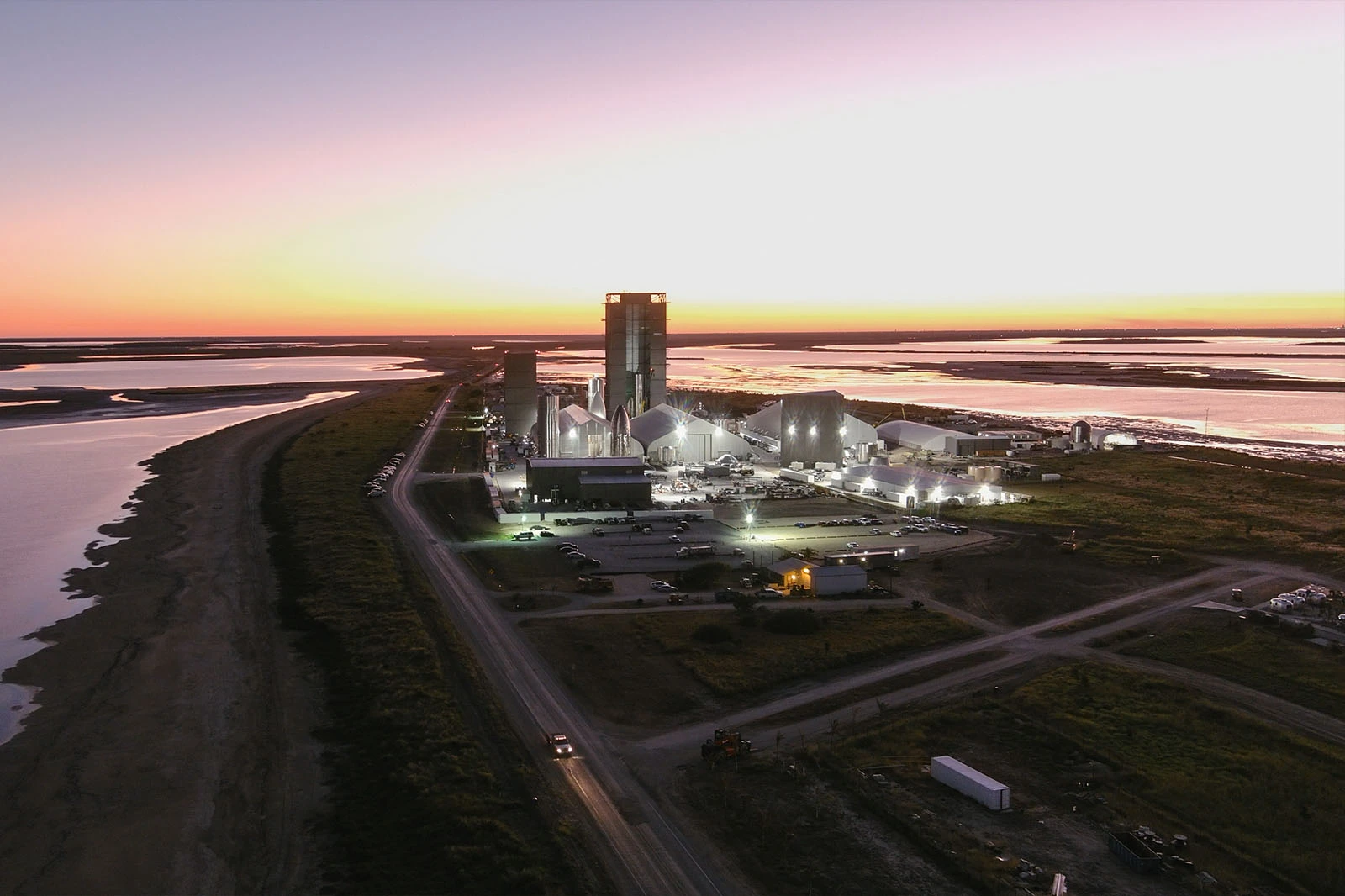
Development, manufacturing, testing, and launch of Starship and Super Heavy takes place at Starbase in Texas — one of the world's first commercial spaceports designed for orbital missions.

Enter your email to sign up for SpaceLync updates:
Sign Up